


Optimized Buffer for Preservation of Hepatitis E Virus During Freeze-Thaw Cycles
用于提高甲型肝炎病毒冻融稳定性的优化保存缓冲液

发布: 2026年08月20日第16卷第16期 DOI: 10.21769/BioProtoc.5781 浏览次数: 253
评审: Luis Alberto Sánchez VargasHepzibah Bacilio OcampoLuis Martínez Robles
 PDF
PDF  Q&A
Q&A





Abstract
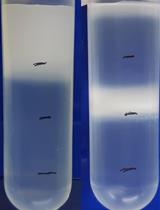
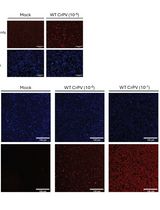
Hepatitis E virus (HEV) is a zoonotic pathogen responsible for approximately 20 million infections annually worldwide. The lack of robust cell culture systems and the absence of approved antiviral therapies have hindered HEV research and drug development. A major technical challenge is the rapid loss of viral infectivity during freeze–thaw cycles following virus purification. Here, we describe a simple and reproducible method to preserve HEV infectivity during storage. We systematically evaluated the effects of salt, serum, and sucrose on viral stability under freezing conditions. We identified an optimized buffer containing 2% fetal bovine serum (FBS), 150 mM NaCl, and 7% sucrose, which significantly maintained the infectivity of non-enveloped HEV (nHEV) and quasi-enveloped HEV (eHEV) following freeze–thaw cycles based on immunofluorescence. The buffer also demonstrated good stability across three independent repeat infection experiments. This protocol provides a practical and scalable approach for maintaining HEV infectivity and will facilitate HEV-related virological studies.
Key features
• Optimized buffer formulation for preserving HEV infectivity during freeze–thaw cycles.
• Compatibility with nHEV and eHEV.
• Simple and low-cost formulation using FBS, NaCl, and sucrose.
• Downstream validation using an infectivity assay.
Keywords: HEV (HEV) Viral stability (病毒稳定性)
Freeze–thaw (冻融)
Storage buffer (保存缓冲液)
Virus storage (病毒保存)
Viral infectivity (病毒感染性)
Cryopreservation (低温保存)
Viral stability (病毒稳定性)
Freeze–thaw (冻融)
Storage buffer (保存缓冲液)
Virus storage (病毒保存)
Viral infectivity (病毒感染性)
Cryopreservation (低温保存)
Graphical overview
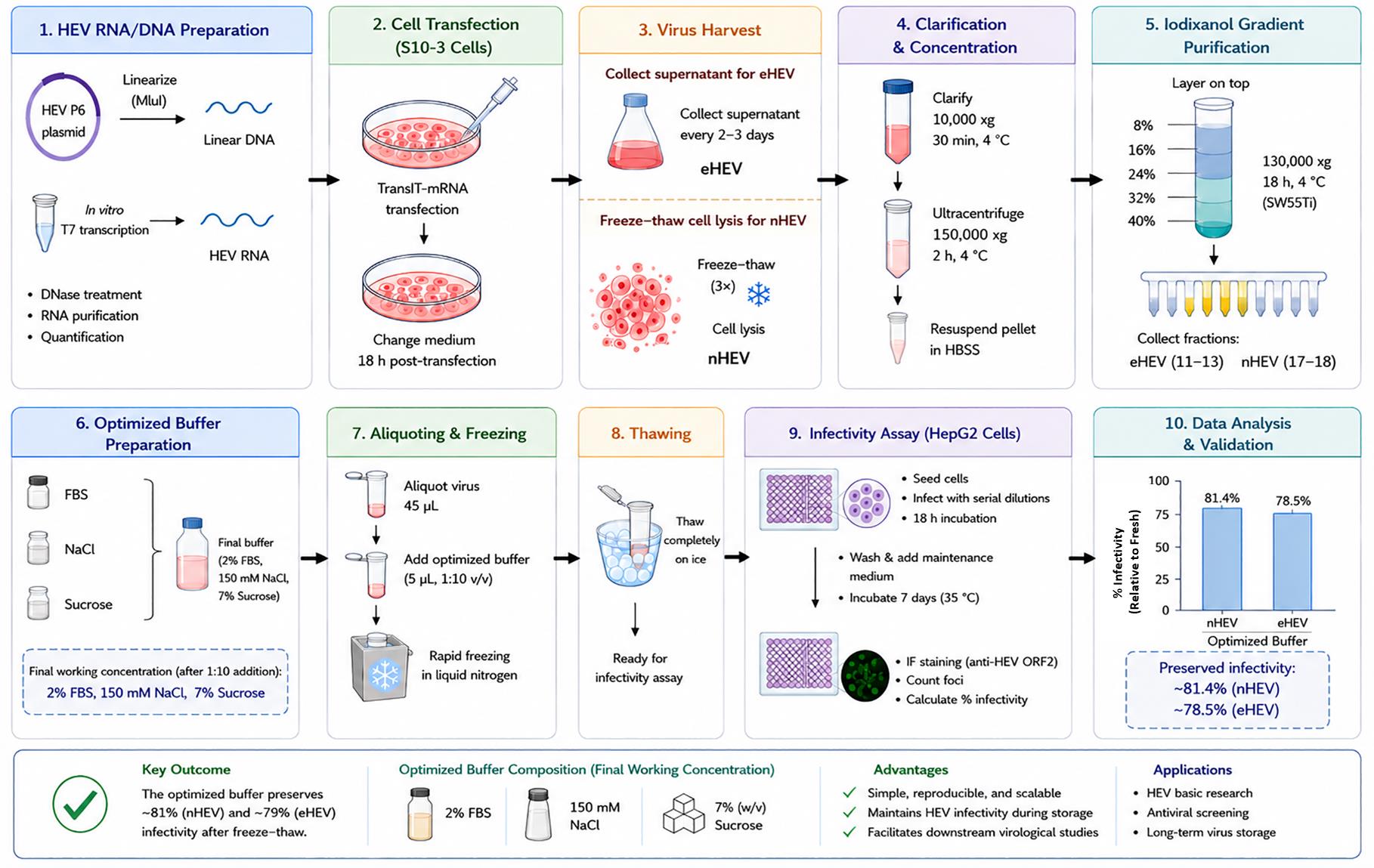
Overview of the optimized buffer for preservation of hepatitis E virus (HEV) during freeze–thaw cycles. Created with the assistance of ChatGPT (GPT-5.5) on July 13, 2026.
Background
Hepatitis E virus (HEV) is a main cause of acute hepatitis with clinical symptoms including jaundice, loss of appetite, nausea, vomiting, and abdominal pain. It is generally self-limiting with a case fatality rate of 0.5%–3% in young adults [1]. However, it can cause up to 30% mortality in pregnant women in the third trimester and can become chronic in immunocompromised people [2]. WHO estimates that hepatitis E caused approximately 44,000 deaths in 2015 (accounting for 3.3% of the mortality due to viral hepatitis) [3–5]. To date, no specific drugs have been approved for the treatment of HEV infections [6]. There is a critical medical need for developing novel anti-HEV treatment strategies.
HEV exists in two infectious forms: non-enveloped HEV (nHEV), which is mainly present in the bile and feces, and quasi-enveloped HEV (eHEV), which circulates in the bloodstream and is completely cloaked in a host-derived lipid membrane [7, 8]. The lack of an efficient cell culture system for virus cultivation has severely hindered the development of new antiviral drugs. Although cell culture systems for HEV infection have improved in recent years, they remain relatively cumbersome and time-consuming compared to those for many other viruses [9].
Viral infectivity declines rapidly following exposure to ambient temperatures and freeze-thaw cycles [10]. Previous studies have used stabilizers such as salt buffers, serum, or sucrose to mitigate these effects [11–13]. Sodium chloride provides a suitable storage environment for viruses by maintaining the solution’s osmotic pressure and ionic strength. For example, high-salt-dependent viruses such as HHPV-3 require at least 3 M NaCl to remain stable; a decrease in salinity leads to the dissociation of viral particles [14]. A certain proportion of serum is added to viral preservation solutions, particularly for viruses that are sensitive to freeze-thaw cycles, have low titers, or are prone to inactivation. This is because the albumin and other proteins present can reduce viral adsorption to tube walls, mitigate freeze–thaw damage, and, to some extent, stabilize the envelope or capsid structure [11]. Sucrose reduces damage to viral structures caused by ice crystals by inhibiting their formation and helps maintain the integrity of viral particles; for example, high concentrations of sucrose (such as 5%) can stabilize equine poxvirus particles and preserve their infectivity [15].
However, no optimized storage conditions have been established for HEV. Therefore, this protocol aims to provide a practical solution by evaluating commonly used stabilizing additives and defining an optimized buffer that preserves the infectivity of HEV particles during freezing and thawing.
Materials and reagents
1. HepG2 cells (ATCC, catalog number: CRL-10741)
2. Huh7 (S10-3) cells (a kind gift from Suzanne Emerson, NIH, available from the authors upon reasonable request) [16]
3. HEV Kernow-C1 p6 plasmid (a kind gift from Suzanne Emerson, NIH, available from the authors upon reasonable request) [16]
4. Anti-HEV capsid polyclonal antibody (produced in-house by immunizing rabbits with purified recombinant HEV p6 ORF2 p239 protein containing amino acids 422–660)
5. mMACHINE® T7 ULTRA Transcription kit (Thermo Fisher, catalog number: AM1345)
6. MluI (NEB, catalog number: R3198L)
7. TransIT®-mRNA Transfection kit (MirusBio, catalog number: MIR 2250)
8. Opti-MEM (Thermo Fisher, catalog number: 51985034)
9. Opti-PrepTM (60% iodixanol) (Sigma, catalog number: D1556-250ML)
10. Hank’s balanced salt solution (HBSS) (Gibco, catalog number: 14025-092)
11. 8%, 16%, 24% and 40% iodixanol gradient solutions (Sigma, catalog number: D1556-250ML; Gibco, catalog number: 14025-092)
12. Ultracentrifuge tubes [Beckman Coulter, catalog numbers: 326823 (36 mL); 344057 (5mL)]
13. Sodium chloride (Fisher Scientific, catalog number: BP358-1)
14. Sucrose (Fisher Scientific, catalog number: BP220-212)
15. Fetal bovine serum (FBS) (Atlasbio, catalog number: F0500-DR)
16. Optimized formulation buffer (Fisher Scientific, catalog number: BP358-1, BP220-212; Atlasbio, catalog number: F0500-DR)
17. NucleoSpin® Gel and PCR Clean-up (TaKaRa, catalog number: 740609.250)
18. Goat anti-rabbit IgG (H+L) cross-adsorbed secondary antibody, Alexa FluorTM 488 (Fisher Scientific, catalog number: A-11008)
19. RNeasy Mini kit (QIAGEN, catalog number: 74104)
20. NuncTM biobanking and cell culture cryogenic tubes (Fisher Scientific, catalog number: 12-565-167N)
21. Dulbecco’s phosphate buffered saline (DPBS) (Thermo Fisher, catalog number: 14040133)
Solutions
1. Iodixanol gradient solutions (see Recipes)
2. Optimized formulation buffer (see Recipes)
Recipes
1. Iodixanol gradient solutions
| Concentration gradient | Volume of 60% Opti-Prep stock (mL) | Volume of HBSS (mL) | Volume of total solution (mL) |
|---|---|---|---|
| 8% | 4 | 26 | 30 |
| 16% | 8 | 22 | 30 |
| 24% | 12 | 18 | 30 |
| 40% | 20 | 10 | 30 |
2. Optimized formulation buffer
a. Dilute 2 mL of 100% FBS with 8 mL of water to a final concentration of 20% (v/v).
b. Prepare a 10 mL solution containing 1,500 mM NaCl and 70% (w/v) sucrose by dissolving 0.877 g of NaCl and 7.0 g of sucrose in the above solution and adjusting the final volume to 10 mL.
c. Filter the solution, aliquot, and store at -20 °C.
d. For using, add the buffer to the virus stock at a 1:10 (v/v) ratio, followed by rapid freezing in liquid nitrogen.
e. Final working concentration after mixing: 2% FBS, 150 mM NaCl, and 7% sucrose.
Equipment
1. NanoDropTM One Microvolume UV-Vis Spectrophotometer (Thermo Scientific, catalog number: 13-400-518)
2. -80 °C deep freezer
3. 5% CO2 incubator
4. Beckman Coulter Optima XPN-80 Ultracentrifuge (Beckman Coulter, catalog number: 34015)
5. SW 32 Ti Swinging-Bucket Rotor (Beckman Coulter, catalog number: 369650)
6. SW 55 Ti Swinging-Bucket Rotor (Beckman Coulter, catalog number: 342194)
7. EVOS fluorescence microscopes (Thermo Scientific, model: EVOS M5000)
8. EVOSTM Light Cube Starter kit, DAPI, GFP, Texas Red (Thermo Scientific, catalog number: AMEP5016)
9. Liquid nitrogen tank
10. Eppendorf tabletop centrifuge 5810R, rotor A-4-81, F-34-6-38
Software and datasets
1. GraphPad Prism 10 (GraphPad, Version 10.6.0)
2. EVOS M5000 Imaging System (Thermo Scientific, EVOS M5000)
Procedure
登录/注册后免费查看全文
文章信息
稿件历史记录
提交日期: Jun 9, 2026
接收日期: Jul 7, 2026
在线发布日期: Jul 22, 2026
出版日期: Aug 20, 2026
版权信息
© 2026 The Author(s); This is an open access article under the CC BY-NC license (https://creativecommons.org/licenses/by-nc/4.0/).
如何引用
Jiao, Z. and Feng, Z. (2026). Optimized Buffer for Preservation of Hepatitis E Virus During Freeze-Thaw Cycles. Bio-protocol 16(16): e5781. DOI: 10.21769/BioProtoc.5781.

 Download Citation in RIS Format
分类
微生物学 > 微生物细胞生物学 > 病毒繁殖
生物化学 > 病毒 > 分离和纯化
您对这篇实验方案有问题吗?
在此处发布您的问题,我们将邀请本文作者来回答。同时,我们会将您的问题发布到Bio-protocol Exchange,以便寻求社区成员的帮助。
 发布问题
发布问题


